
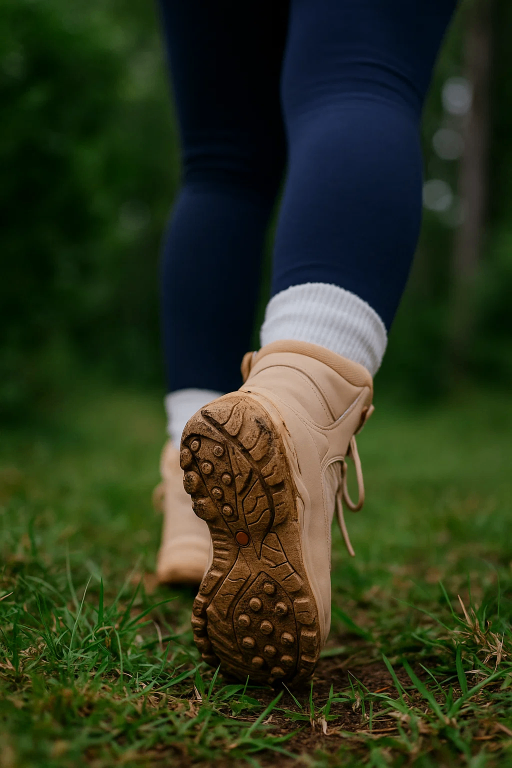

For the woman who needs a little air, a little movement, and a reminder that she is not alone.
For the woman who needs a little air, a little movement, and a reminder that she is not alone.
There are days I feel like I’m carrying too much—internally and otherwise. Days when the noise in my head is louder than anything outside. It’s in those moments that I turn to the trail. Kenya’s landscapes have taught me this: movement doesn’t need to be fast to be meaningful. Even one step forward, on tired legs and with a heavy heart, is still a step.
Summit trekking in Kenya isn’t just about mountains—it’s about coming back to your body. It's about the quiet healing that happens when you walk beneath open skies and let the earth hold your weight. You don’t need to be an athlete or even feel ready. You just need to begin—slowly, gently, with breath.
Here’s what I’ve learned on the trail. Not as an expert. As a woman who’s still learning how to carry herself with care.
Where I Started: Day Hikes That Hold You Gently
My first real hike wasn’t dramatic. It was Mt. Longonot—hot, dusty, and steeper than I expected. I didn’t summit fast. I stopped often, sometimes just to breathe. The crater rim waited patiently. No one rushed me.
Longonot is one of those climbs you can do in a day, about 13km round trip. It challenges you without breaking you. The climb is steep but short enough to finish and feel proud. It taught me that effort is healing—not because it’s easy, but because it asks you to stay with yourself, even when it gets uncomfortable.
Other days, when my body feels tender or my spirit fragile, I choose softer trails. Ngong Hills with its rolling ridges and whispering winds. Karura Forest, where filtered light hits the path just right, and everything smells green and wet. These trails aren’t about summits. They’re about returning. To breath. To rhythm. To myself.
If you're just starting, or if you're carrying more than your backpack, these are good places to begin:
Mount Longonot – Steep and dusty, but short. Big views. Big release.
Ngong Hills – Long and gentle. Breezy, open, and kind to beginners.
Karura Forest – A healing space inside the city. Flat, quiet, and easy to walk alone.
Each of these hikes lets you move at your own pace. There’s no prize for finishing fast. The gift is in how your body feels when you listen.
Learning to Go Higher: Beginner-Friendly Multi-Day Treks
I used to think I wasn’t strong enough to climb Mount Kenya. I thought I had to be fit, fearless, or hardened. I was none of those things. I was grieving. Quietly. Carrying loss in my chest like a stone. But something about the idea of walking up slowly, over days, made sense to me. I didn’t need to outrun anything. I just needed to move through it.
Mount Kenya’s Point Lenana is a trekker’s summit—challenging but accessible. You don’t need climbing gear, just steady feet, layered clothes, and a bit of faith in your body. Most people do it over 3 to 5 days. The air thins as you climb, but the path is clear. The community of hikers, guides, and porters becomes your trail family. People look out for each other. You share food, stories, silence. That kind of care stays with you.
And if you don’t summit? That’s okay. The healing happens in the walking. In the mornings when your fingers are cold and someone hands you tea. In the evenings when your legs ache, but you feel proud. In the moments when the sky opens up and you see how wide the world is, even while your own feels small.
What to Carry (And What to Leave Behind)
On my first trek, I packed too much. Not just gear—expectations, fears, stories I was still telling myself about what I could or couldn’t do. The trail helped me let some of it go.
If you’re planning a hike, here’s what you might need:
Comfortable, broken-in hiking boots
A small backpack with snacks and at least 2 liters of water
Light layers for sun, rain, and wind
Warm clothes if you’re heading into the mountains
Sunscreen, hat, and sunglasses
A headlamp or flashlight
A few things that bring comfort: a journal, a scarf, a snack you love
But more than anything, carry compassion. For yourself. For your limits. For the version of you that’s showing up, tired or scared, but still choosing to try.
Why This Matters: The Trail as Therapy
There’s something about walking outside that quiets what’s inside. Science backs it—nature reduces stress, lowers cortisol, and even helps with depression. But I didn’t need research to tell me that. I felt it.
On one trek, a woman in our group began to cry as we reached the summit. She didn’t say why. She didn’t need to. We sat with her. No fixing. No advice. Just presence. That’s what the mountain teaches. To hold space. To breathe through discomfort. To trust that it won’t last forever.
If you’re struggling—emotionally, mentally, or just feeling stuck—know this: you don’t need to talk about it to heal it. Sometimes the walking does the work. The fresh air. The shared silence. The reminder that you’re not alone.
A Note to You, from the Trail
You don’t need to be strong to start. You just need to start. With whatever body you have. With whatever you’re carrying.
Kenya’s trails are waiting—not to challenge you, but to receive you. To remind you that movement is medicine. That rest is sacred. That grief, joy, and fatigue can all exist together on the same path.
So if today feels heavy, or lonely, or just off—consider the hills. The ones that whisper your name, not shout it. The ones that let you move slowly. The ones that understand that healing isn’t always loud or visible.
You don’t have to summit. You don’t have to smile. You just have to walk. One step. Then another.
And when you're ready, the trail will meet you there—with breath, with beauty, with room for everything you carry.